When office keys disappear on a busy Monday morning, a clear lockout prevention plan keeps operations moving. This article walks through practical steps for building an Orlando-ready commercial lockout prevention plan, aimed at leaders who want less disruption and more control. Expect adaptable checklists, frank trade-offs about budgets and access policies, and real stories from locksmith calls and facility repairs.
Why a dedicated lockout plan pays off for office owners
Most businesses treat lockouts like rare annoyances, and then one incident proves they are expensive mistakes. A single midday lockout can close a retail store for hours, interrupt scheduled services, and force staff overtime; those lost sales add up and so does customer frustration. In Orlando, where foot traffic and events matter, being closed during a peak period can cost more than a single-day loss; reputation on review sites can shift quickly.
Map doors, locks, and human errors so prevention targets the right problems
Walk the property and record every external and internal door, electronic access point, and storage enclosure that affects operations. Record lock model, condition, last service, and whether redundancy exists, such as a master key, code override, or vendor key. Evaluate human factors too, including who routinely carries keys, who knows entry codes, how handoffs are handled, and where delivery drivers leave access slips.
Choose the right blend of redundancy and control for your operation
Keeping one spare key on site is inexpensive but risky, since it fails when the key-holder is unavailable. Lockboxes with restricted codes, vendor-held master keys, and dual-auth electronic overrides raise reliability but increase administration and the need for trust. Classify doors by impact: front doors and receiving bays need robust redundancy, while internal supply closets can tolerate simpler arrangements.
Establish ownership and lifecycle policies for keys and access codes
Ambiguity between managers, office staff, and cleaners almost always produces preventable lockouts. Publish clear rules: assign a primary and backup custodian to each access, require a signed check-out procedure, and mandate immediate loss reporting. Implement quick revocation: retrieve keys and change shared codes within 48 to 72 hours after role changes.
Teach employees what to do before and during a lockout
A short staff walkthrough about handoffs and spare key locations cuts the number of routine lockouts significantly. Train for common scenarios: midday lost keys, after-hours vendor access, and an electronic reader failure on a holiday evening. Document one-step responses for each scenario, such as call this number, retrieve spare A, or use vendor B under supervision.
Pick a 24 hour locksmith Orlando vendor with reliability and written response times
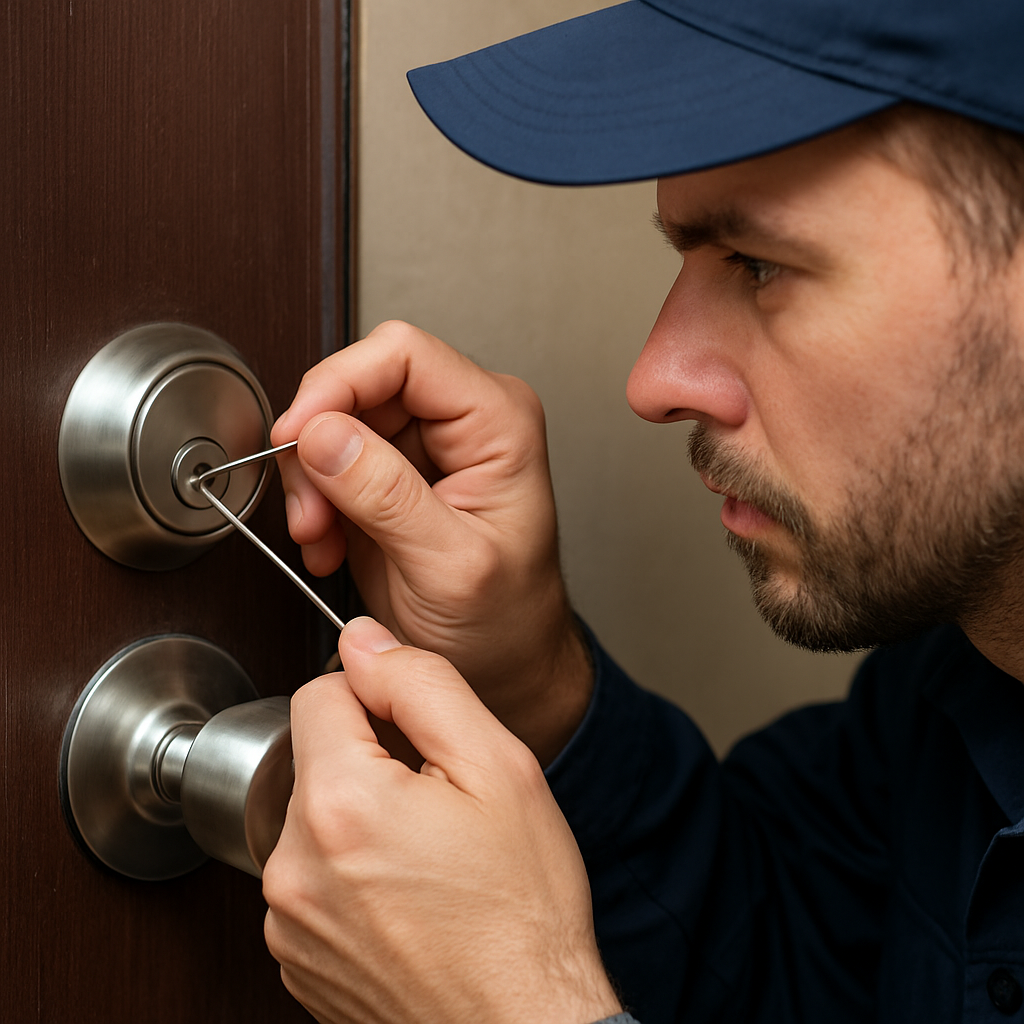
Not all locksmith services perform equally in emergency situations, and travel time matters more than price when minutes cost sales. Ask vendors for ID verification, insurance proof, and experience with commercial hardware such as exit devices, magnetic locks, and master key systems. Get a simple SLA in writing that lists target response times for daytime, nights, and weekends, with a transparent emergency fee schedule.
Plan for electronic systems and battery failures separately from mechanical failures
Access control systems simplify daily operations while introducing issues such as battery failures, firmware errors, and connectivity loss. Store spare batteries that match readers, a handheld test unit, and a printed troubleshooting guide next to the control equipment. When access depends on a network, create and exercise fallback options like cached credentials and a locked mechanical override, testing them periodically.
Budget for predictable maintenance rather than chase repairs
Planned maintenance catches worn parts, loose strike plates, and failing closers before they cause a lockout. A modest annual inspection that replaces a handful of worn parts often costs a fraction of a single after-hours emergency visit. Record each service event with date, parts changed, and the technician to spot repeat failures and plan upgrades.
Handle after-hours vendor and delivery access with strict procedures
Giving delivery drivers or contractors a permanent key is a recipe for access creep and avoidable lockouts. Use time-bound codes, supervised escorting, or a release-from-lockbox process that logs every access event. Enforce ID verification and a signed custody log for temporary keys, with a strict return window between 24 and 72 hours.
Give employees a short script and step list to reduce hesitation during lockouts
A concise one-page playbook listing contact numbers, spare key locations, and authorization steps reduces panic and delay. Include templates for who to call, what to say, and how to verify identity for visitors who need urgent access. Store one laminated copy at the manager station, one in the back office, and one with the night supervisor so it is immediately accessible.
https://doorlockshnd863.trexgame.net/licensed-locksmith-near-me-for-commercial-lockoutsTrack time-to-access and customer impact to see if your plan works
Measure minutes of closure and number of disrupted customers, not just how many lockouts occurred. Aim for performance goals like average daytime response under 30 minutes and nights under 60 minutes, and audit those numbers quarterly. If a vendor consistently misses targets, escalate or replace them, but factor in location and traffic that can affect times on busy event days.
Understand the trade-offs between strict control and operational flexibility
Zero-tolerance policies like no spare keys and no vendor access without two approvals increase security but will cause more frequent operational delays. Conversely, liberal access policies reduce lockout frequency at the cost of higher risk if credentials are lost or misused. Balance these by tiering controls: stricter handling for high-impact doors, eased rules for low-impact areas, and frequent audits to catch drift early.
A short checklist to start your plan today
Do a quick survey, tag the top five critical doors, and assign a primary and backup custodian to each door. Reach out to two local emergency locksmiths, request written response targets for day and night, and get their basic fee structures. Draft a short emergency playbook, laminate copies, and distribute them to the manager desk, back office, and night supervisor.
A focused lockout prevention plan is a modest upfront effort that pays back when it keeps doors open and customers satisfied. Begin with modest steps, monitor response and downtime, and refine the plan as gaps appear. If you would like, treat this as your field guide: adapt the checklists, test your SLAs, and make measured investments in redundancy that match the value of the doors you are protecting.